Bud reads the label, not just the barcode.
Barcodes reference stale databases. Bud reads what's actually on the package.
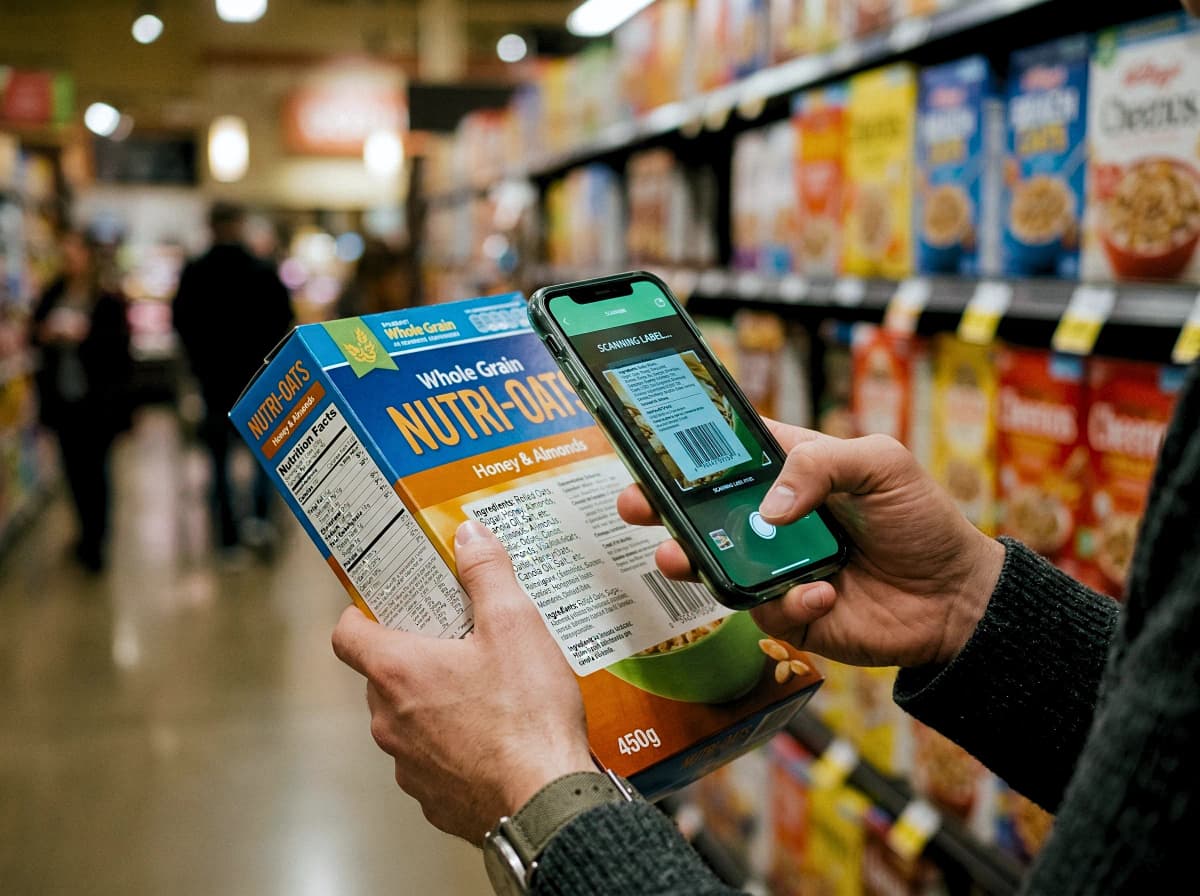
A barcode is a number. It points to a database record that may be months old, missing advisory warnings, or simply wrong for the Canadian version of that product. Bud skips the middleman. It reads the actual text on the package - the same way you would, only faster and without missing anything.
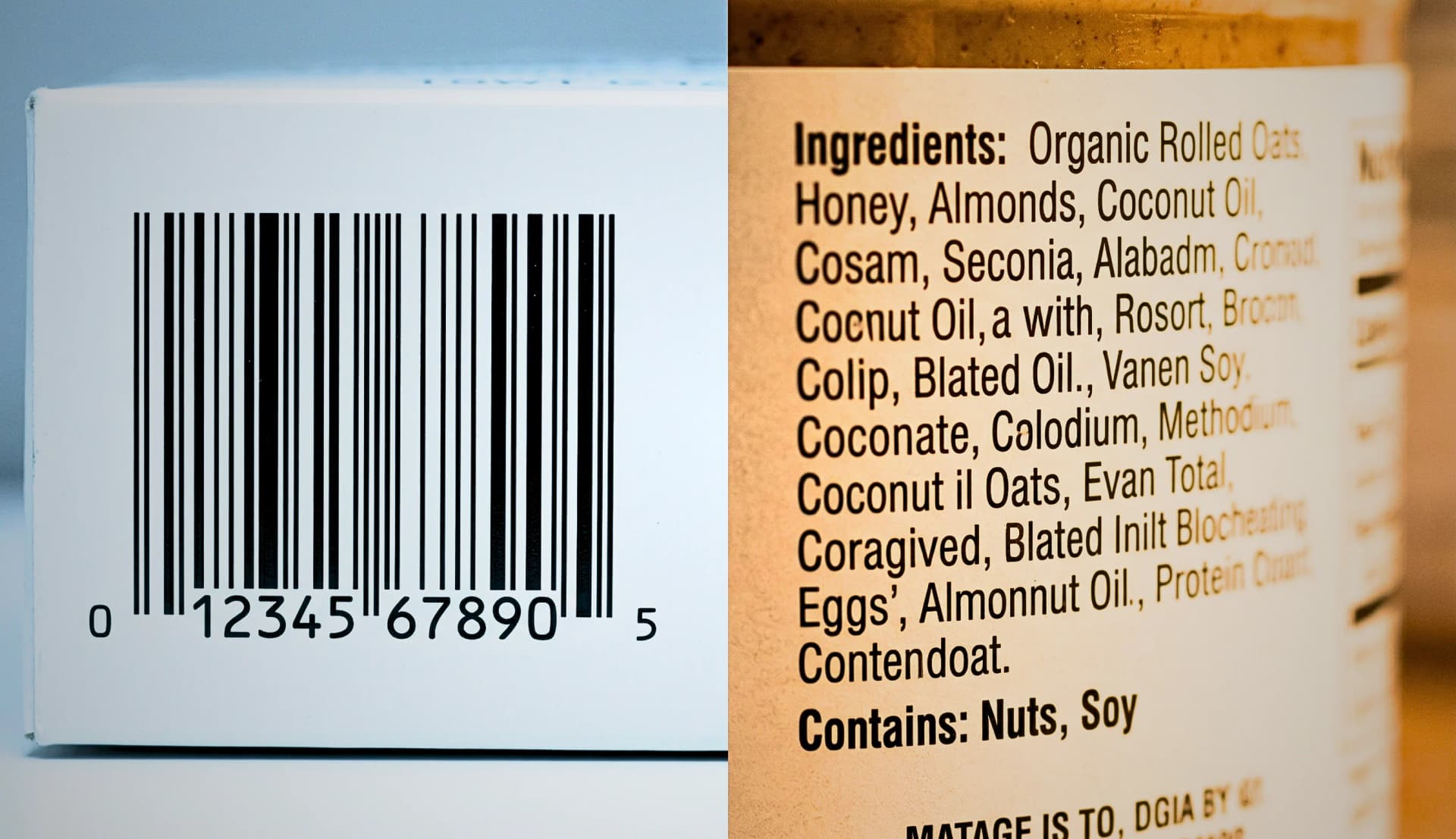
The gap between the barcode and the truth.
Most allergy apps are built on top of barcode databases. That’s fine - until the database is out of date, the product is a store brand with no record, or the formula quietly changed last quarter. Bud was built to close that gap.
The Old Way
- ⚠Scans the barcode → looks up a database record
- ⚠Database may be months or years old
- ⚠Private label products often have no record at all
- ⚠Advisory statements (“may contain”) frequently missing
- ⚠Formula changes don’t automatically update
- ⚠One allergen set - usually US-only, 9 allergens
- ⚠French-language labels often not parsed
The Bud Way
- ✓Reads the actual text on the label - right now
- ✓Ingredients are current because they’re from the package in your hand
- ✓Works on any product, including No Name and President’s Choice
- ✓Captures “may contain,” “processed in a facility,” and hidden warnings
- ✓Formula changes are caught the next time someone scans it
- ✓Supports all 11 Canadian + 9 US priority allergens
- ✓Reads English and French simultaneously
Three things happen every time you scan.
Most of this is invisible to you. That’s the point. Here’s what Bud does in the second or two between “point camera” and “verdict.”
Start with what we know.
If a barcode exists for the product, Bud pulls it as a baseline - ingredient category, product type, manufacturer. This gives the engine useful context before the camera work begins. Think of it as the rough draft.
Then read what’s actually there.
Bud’s vision layer reads every word on the label - ingredients, allergen declarations, advisory statements, and the fine print at the bottom. If the physical label says something different from the database record, the label wins. Always. The physical text is the source of truth.
“May contain traces of tree nuts.”
This line appears on the label. It’s not always in the database. Bud finds it.
Make the next scan smarter.
When Bud scans a product that wasn’t in any database, it adds what it found to the shared index. Every scan teaches Bud. Over time, private label products and regional formulas build up coverage - contributed by real people scanning real groceries. The community makes the database.
Labels aren’t always cooperative.
Real labels come crinkled, curved, partially obscured, and in two languages. Bud was trained to handle all of it.
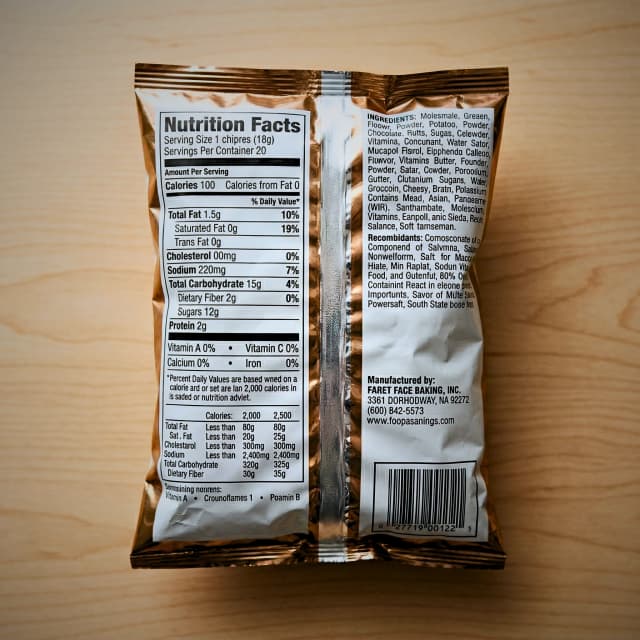
Crinkled and crushed packaging.
Chip bags, frozen food pouches, snack wrappers - they crinkle, fold, and never lie flat. Bud straightens the text before reading it, so distortion doesn’t distort the verdict.
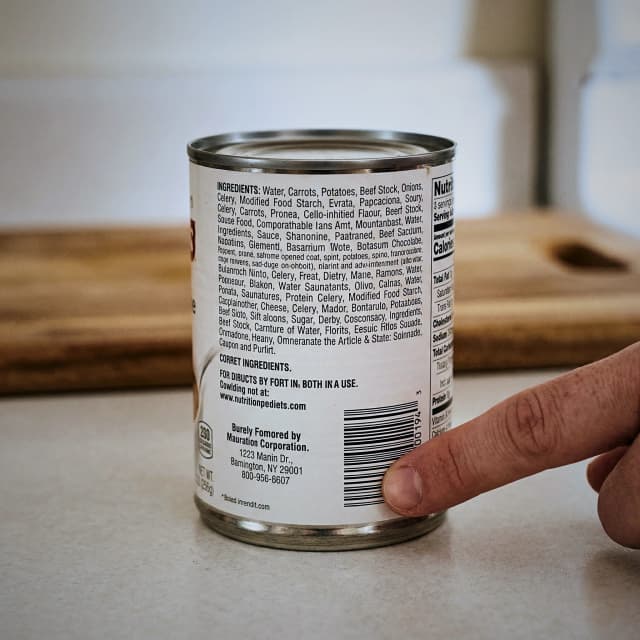
Cans, bottles, and round containers.
Curved surfaces warp text as it wraps around. Bud accounts for this curvature and reads labels on cans, jars, and bottles just as reliably as flat packaging.
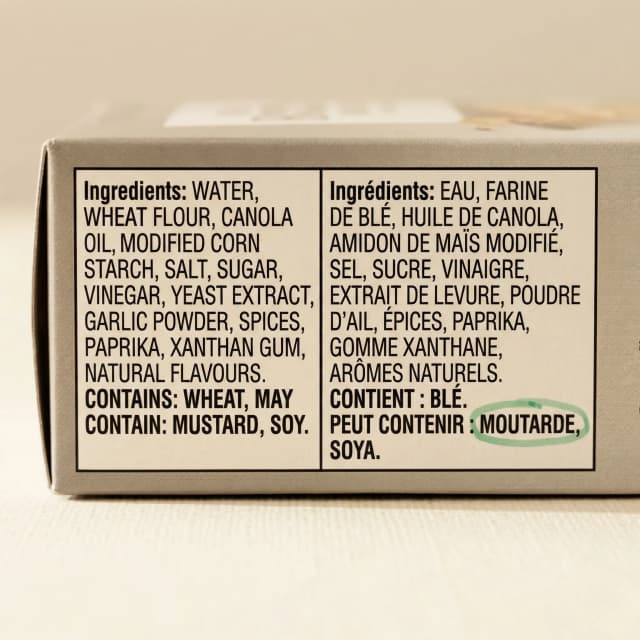
English and French, side by side.
Canadian labels run both languages in parallel columns. Bud reads both passes independently and compares them - so if one column includes an ingredient the other omits, Bud catches it.
Most apps left Canada halfway covered.
Canadian grocery shopping is distinct - in its regulations, its private label dominance, and its bilingual labelling laws. Bud was designed for all of it, not retrofitted after the fact.
The store brands everyone actually buys.
No Name. President’s Choice. Great Value. Compliments. Kirkland. These brands make up 30-40% of what’s in Canadian carts, and they’re the most under-covered in existing allergy databases. Bud reads their labels directly.
President’s Choice Blue Menu Soup → scanned, verified, indexed
Two languages, one verdict.
Canadian law requires all ingredient and allergen information in both English and French. Bud reads both columns in a single scan and reconciles them - so no allergen declaration slips through the language gap.
“contient : moutarde” → flagged → Avoid
Same name, different recipe.
A product you trusted in the US may have a different formula when it’s manufactured for the Canadian market. Bud knows the difference and treats the Canadian version as its own product - not an assumption based on the US label.
CA formula ≠ US formula → separate safety profile
Where it was made matters.
Some ingredients are sourced differently by region, and shared facilities vary by plant location. Bud surfaces sourcing context from Truth Reports so you can make an informed call - not just a hopeful one.
Processed in a facility that also handles: peanuts, wheat
Simple on the surface. Thorough underneath.
The scan is the start. The rest of Bud keeps working when you’re not actively scanning - tracking what’s in your kitchen, flagging changes, and giving you something to show your allergist.
Compatible alternatives, same shelf.
The whole ingredient story.
Your kitchen, allergen-audited.
A record of what you ate - and how you felt.
See it in action. Scan your first label free.
Join the beta and experience real-time label reading on your next grocery run.
What a Truth Report actually looks like.
Every product you scan can generate a Truth Report. Here’s a sample - a fictional cracker that contains one of Canada’s unique priority allergens.
President’s Choice
Golden Harvest Multigrain Crackers
Allergen Flags
Mustard is a priority allergen in Canada, not in the US.
Full Ingredient List (first 5 shown)
Enriched wheat flour, canola oil, mustard seed, sesame seeds, salt...
Advisory Statement
“May contain sulphites. Processed in a facility that also handles milk and tree nuts.”
Formulation Note
Last formula confirmed: 2026-03-28 via community scan
Previous scan: 2025-11-12 - ingredient list unchanged
Truth Reports are available on the Full Access plan. The first scan is always free.
See Full Access pricing →Finally, a second opinion that reads the whole package.
Bud is free to start. No credit card. No barcode needed. Just your phone, a label, and the truth in seconds.
Compatible, Caution, or Avoid - you’ll know before it goes in the cart.